
How can Automotive marketplaces insulate themselves from global instabilities?
We had an excellent discussion in Kaisa’s recent webinar with AIM Group. We posed the Question, ‘How can Automotive marketplaces insulate themselves from global instabilities?
I joined industry leaders—
Baris Akurek Autotrader
Phill Jones Motors
Alexander Prinssen Adevinta
It was a great webinar, and a must-watch for all Auto Marketplaces, Dealers, and Dealer groups.
So here’s what we learned—
Today’s online marketplaces face increasing pressure to adapt, innovate, and meet the demands of both buyers and sellers. From Global instabilities, technological advancements to shifting consumer expectations, marketplaces must remain agile to stay competitive. Recent discussions around building competitive auto marketplaces have highlighted key strategies that can help marketplaces thrive in this unpredictable environment. Here’s how marketplaces are adapting and evolving:
Pricing Strategies
After the Covid-19 pandemic, many auto marketplaces shifted from traditional rate card pricing models to subscription-based models for dealers. It allowed marketplaces more flexibility to discount, and help out dealers during this difficult time. This change was driven by the need for more predictable revenue streams and greater flexibility in the digital landscape. This shift aligns with the digital transformation in the auto industry, where online presence and long-term partnerships have become crucial. It offers dealers consistent exposure and reduces financial uncertainty, benefiting both platforms and automotive businesses. There remains a question as to whether Marketplaces over-discounted during Covid. Time will tell,
Upping The Communication Tool Game
Communication is the cornerstone of any successful auto marketplace. To enhance the buying and selling experience, platforms must adopt more integrated communication tools. For example, marketplace chat systems or WhatsApp provide a seamless way for buyers and sellers to connect, replacing older methods like SMS.
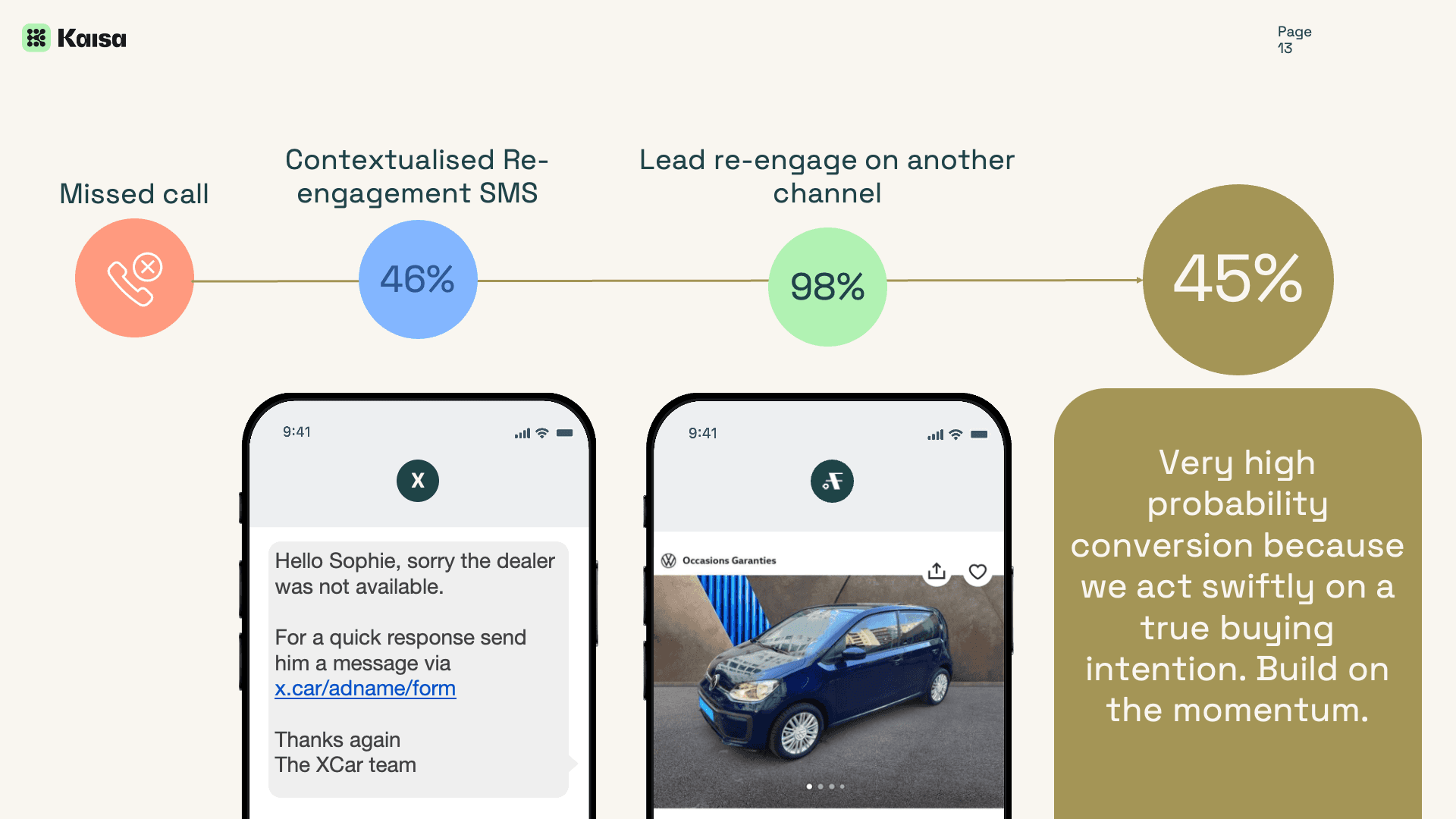
Implementing timely, personalized re-engagement tactics, such as SMS follow-ups, can recover up to 45% of missed leads. These real-time chat solutions create a smoother transaction process, creating trust and satisfaction among users. By prioritizing efficient communication channels, marketplaces not only improve user experience but also set themselves apart from competitors.
Custom Features for Niche Markets
As electric vehicles (EVs) gain popularity, especially in regions like the Netherlands and Scandinavia, marketplaces are incorporating features specifically designed for EV buyers. Tailored filters, such as options to check battery health, range, and charging capabilities, address common consumer concerns and reduce uncertainty in the purchasing process. These features not only cater to a growing segment but also demonstrate a marketplace’s ability to anticipate and adapt to emerging trends.
Embracing Innovative Engagement Strategies
Marketplaces are increasingly blending online and offline, or ‘clicks and bricks’ engagement strategies to maintain relevance and drive loyalty.
Online and Physical Events: During the COVID-19 pandemic, online car fairs emerged as a creative solution to showcase vehicles and connect with buyers virtually. However, physical events like motor shows remain invaluable for their ability to create a tangible connection with consumers. These in-person experiences foster brand loyalty and provide a refreshing contrast to digital interactions.
Optimizing SMS and Push Notifications: Personalized and contextually relevant notifications are transforming how marketplaces communicate with users. While SMS can be perceived as ‘spammy’, carefully crafted messages with clear calls to action can drive improved engagement and re-engagement. Best practices include reducing friction in the customer journey, such as minimizing steps between receiving a message and completing an action. Data from other industries, like recruitment marketplaces, further highlights the power of targeted notifications in boosting user response rates.
Navigating Legislation and Building Trust
In an age where trust and safety are paramount, marketplaces must adhere to strict regulations while fostering user confidence. Compliance with SA legislation—ensuring product safety and providing accurate seller information—is no longer optional. Platforms are investing in robust verification processes for sellers and advertisers to maintain integrity and transparency. Trust and safety initiatives not only protect users but also reinforce the marketplace’s reputation and value as a reliable platform.
The Road Ahead
The ability to adapt is the hallmark of successful Auto Marketplaces. By leveraging advanced communication tools, catering to niche market demands, embracing innovative engagement strategies, and prioritizing trust and compliance, marketplaces can remain competitive in an ever-changing world. As consumer needs continue to evolve, marketplaces that focus on personalization, efficiency, and user-centric solutions will thrive. In this rapidly shifting landscape, adaptability isn’t just an advantage—it’s a necessity.