
Did Dealerships and Physical Retail Kill the online car shopping war?
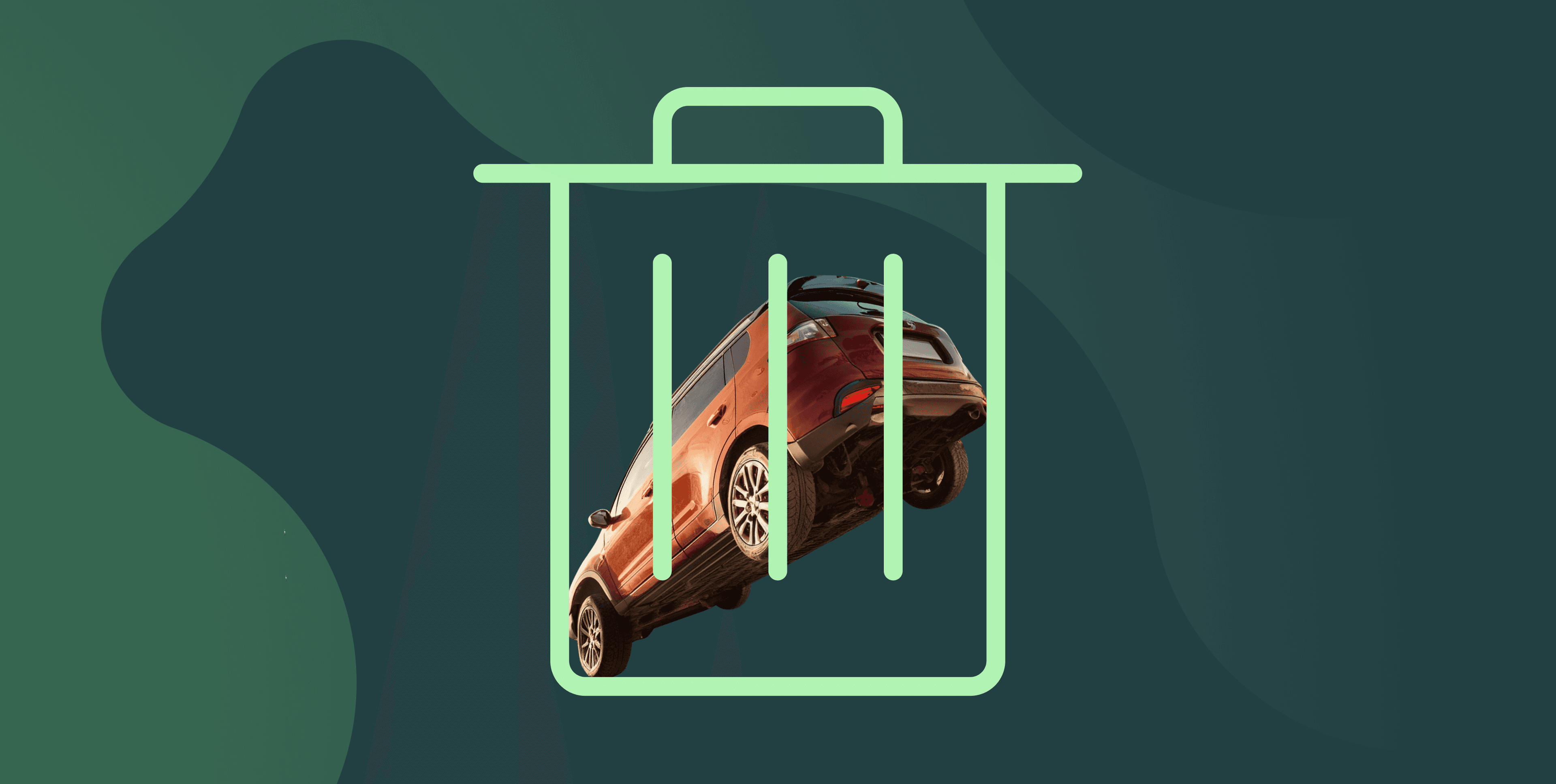
In the past decade, the automotive retail landscape has undergone a dramatic transformation.
The rise of online auto sales platforms like Cazoo, Vroom, and Carvana promised to revolutionize the way consumers buy and sell cars, leveraging the power of digital technology to offer unparalleled convenience and efficiency. Many new platforms decried dealerships as ‘dinosaurs’. However, recent events suggest a shift in this narrative, Cinch has even opened showrooms, raising the question: did physical retail ultimately win the online auto sales war?
The Rise and Challenges of Online Auto Sales.
Online auto sales platforms capitalized on the growing consumer preference for digital shopping experiences. By offering virtual showrooms, online appraisals, and home delivery, companies like Carvana and Cazoo attracted significant attention and investment. In 2020, Carvana’s sales increased by 37% year-over-year, demonstrating the initial success of the online model.
However, the online-only approach also faced significant challenges. For instance, Carvana reported a net loss of $806 million in 2022 despite its revenue growth, indicating difficulties in achieving profitability. Cazoo, another prominent player, experienced a similar trajectory. After rapid expansion, Cazoo announced it was exiting the U.S. market in 2022 due to unsustainable operational costs and mounting losses. In the UK earlier this year Cazoo went into administration with unsecured debts of £260m. It’s vast marketing spend legitimised the idea of a wholly online buying journey, seemingly playing into the hands of physical dealers who already offered fully remote buying and delivery options.
The Resilience of Physical Retail.
While online platforms struggled with profitability, traditional car dealerships demonstrated resilience and adaptability. Despite the initial disruption caused by the pandemic, many dealerships quickly integrated digital tools to enhance their operations. This hybrid model, combination of physical retail and online convenience proved effective.
Data and Statistics.
- Sales Recovery: According to the National Automobile Dealers Association (NADA), U.S. dealership sales rebounded strongly in 2021, with total new vehicle sales reaching 14.9 million units, up from 14.5 million in 2020. This recovery indicates that consumers still value the in-person dealership experience.
- Customer Preferences: A 2022 survey by Cox Automotive found that 75% of car buyers preferred a combination of online and in-person interactions during their purchase process. This hybrid approach aligns with the strengths of physical retail, offering both the convenience of digital tools and the reassurance of face-to-face service.
- Profit Margins: Physical dealerships have maintained stronger profit margins compared to their online counterparts. NADA reported that the average dealership profit margin in 2021 was 2.4%, a significant increase from previous years, reflecting the benefits of combining online efficiencies with traditional sales tactics. It’s worth remembering that some online retailers also offered a 14 day money-back guarantee, problematic when used cars depreciate at 3% per month.
The Hybrid Model— Best of Both Worlds.
The future of automotive retail appears to favour a hybrid or ‘blended’ model that leverages the strengths of both online and physical retail. Dealerships are increasingly adopting digital tools such as conversational processing to detect buyer intent, audience builders to segment buyer personas, CRMs, online appointment scheduling, virtual tours, and e-signatures for paperwork. These innovations enhance the customer experience without completely replacing the in-person interactions that many buyers value.
Across the board buyer expectations emphasised the importance of their physical locations, noting that most customers still preferred to finalise their purchases in person, especially for used cars where each vehicle has a different owner history. If you’ve ever sat in a car once belonging to a smoker or a big wet dog, you’ll know why not checking out the car in Person is a considerable risk.
Conclusion.
While online auto sales platforms disrupted the market and brought valuable innovations, physical retail has demonstrated remarkable adaptability and resilience. By embracing a hybrid model, dealerships have managed to retain, and even grow their market share.
The lesson here is not that one model is inherently superior to the other, but that the integration of digital tools into physical retail can create a more robust and customer-friendly approach. As the automotive industry continues to evolve, the most successful players will likely be those who can seamlessly blend the convenience of online transactions with the personalised service of physical dealerships.
In the ongoing battle between online platforms and traditional dealerships, it appears that physical retail, where it has invested in digital transformation has not only survived but thrived. The dinosaurs evolved to disrupt the disruptors if you like.
At Kaisa we create and automate personalized CX at scale. Working with Europes leading OEMs Marketplaces and dealer networks, we are experts in joining or blending on and offline buying Journeys for auto buyers and sellers. Find out more or book a demo with one of our teams.